Gaming and SocialFi: Driving Consumer Crypto Adoption
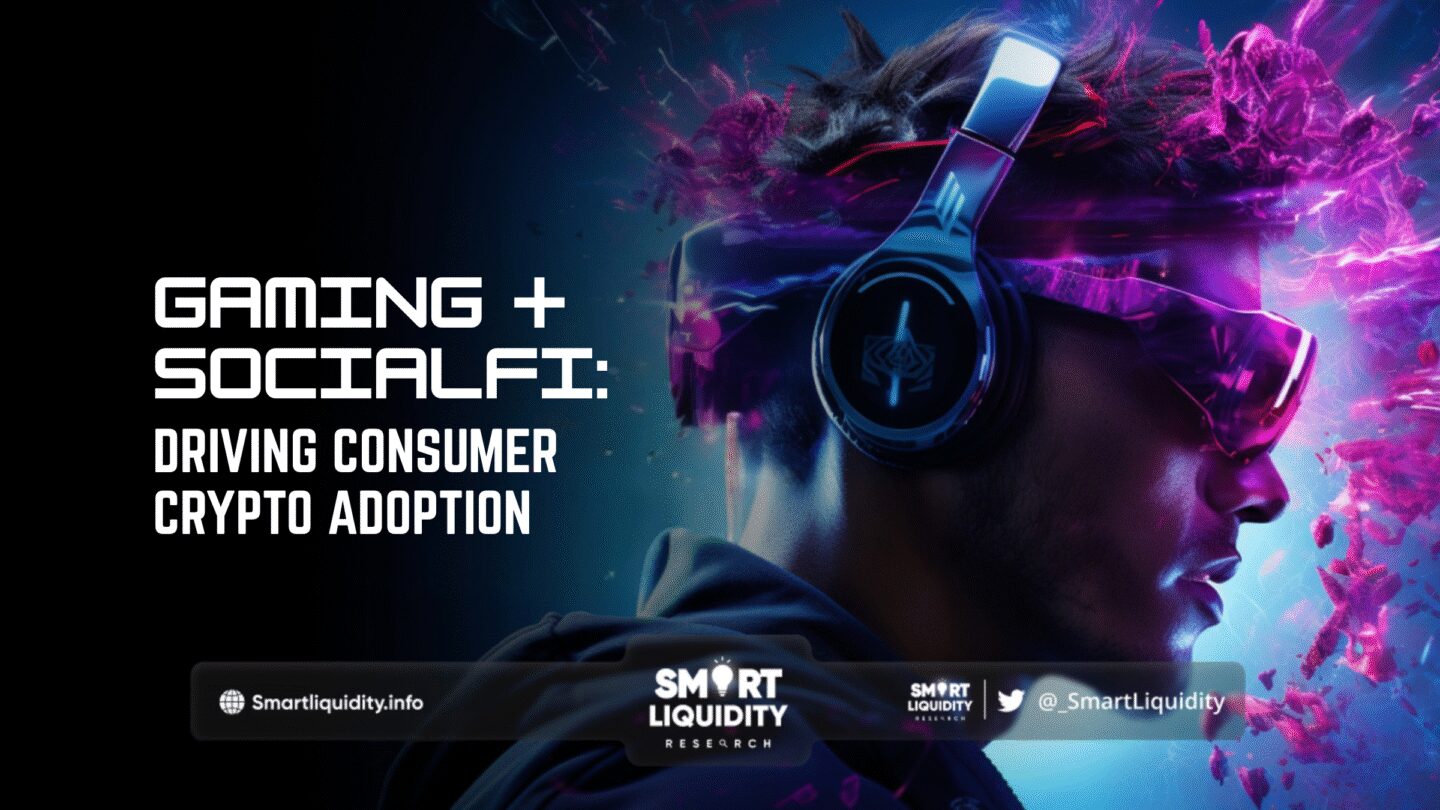
Cryptocurrency adoption is increasingly driven by consumer-focused experiences. Gaming and SocialFi (social finance) are emerging as powerful catalysts for mainstream engagement, combining entertainment, digital ownership, and financial incentives. By integrating blockchain into interactive and social environments, these sectors are bringing crypto to a wider audience.
Scarcity and Supply Dynamics
Scarcity in gaming and SocialFi often comes from limited in-game assets, token rewards, or exclusive digital collectibles:
| Aspect | Description |
|---|---|
| NFT Scarcity | Unique in-game items or characters increase value for players. |
| Token Rewards | Limited supply of SocialFi tokens incentivizes early adoption and engagement. |
| Play-to-Earn Models | Game mechanics create scarcity for valuable resources, driving competition. |
Artificial scarcity ensures that users perceive both entertainment and financial value in their digital assets, fostering adoption and engagement.
Utility and Use Cases
Blockchain in gaming and SocialFi delivers tangible utility to users:
Play-to-Earn (P2E) Games: Players earn tokens or NFTs by completing in-game tasks.
Digital Ownership: Blockchain ensures that assets are truly owned, tradable, and transferable outside the game ecosystem.
SocialFi Platforms: Users earn tokens for engagement, content creation, or community participation.
Cross-Platform Economies: Assets can move between games or apps, increasing utility and engagement.
The combination of fun, reward, and ownership drives sustained user interest and adoption of crypto technologies.
Network Effect and Adoption
Gaming and SocialFi platforms experience strong network effects:
| Metric | Significance |
|---|---|
| Active Player Base | More players increase token circulation and market liquidity. |
| Community Engagement | Active communities enhance retention and attract new users. |
| Partnerships & Collaborations | Integration with other games or SocialFi projects amplifies ecosystem growth. |
As user engagement grows, both the platform and its native tokens gain value through network expansion and increased transaction activity.
Technological Innovation
Blockchain technology enables new features in gaming and social platforms:
NFT Integration: Unique, verifiable assets enhance player ownership.
Tokenization of Social Actions: Contributions and interactions are rewarded with blockchain-native tokens.
Layer-2 Scaling: Fast and cost-efficient transactions make micro-rewards feasible.
Cross-Chain Compatibility: Assets can move seamlessly between games and ecosystems.
These innovations attract developers and players, ensuring continuous growth and adoption.
Market Sentiment and Speculation
Market perception is influenced by game popularity, community engagement, and media coverage:
Viral games or SocialFi trends can rapidly boost token demand.
Celebrity endorsements and partnerships increase visibility.
Speculative trading on P2E tokens can cause volatility, but strong platform utility sustains long-term adoption.
The blend of entertainment, ownership, and finance makes these markets highly responsive to both sentiment and innovation.
Regulatory Environment
Regulations are beginning to catch up with gaming and SocialFi innovations:
Digital Asset Ownership: Laws governing NFT ownership and trading impact market confidence.
Tax Treatment: Earnings from P2E games or SocialFi tokens require clear guidance.
Consumer Protection: Platforms must ensure fairness and transparency in token rewards.
Clarity in these areas will accelerate mainstream adoption by reducing legal uncertainty.
Conclusion
Gaming and SocialFi are transforming crypto adoption from niche investor markets to mainstream consumer engagement. By combining entertainment, financial incentives, and digital ownership, these sectors drive utility, network growth, and market expansion. For both developers and investors, understanding the value dynamics in these ecosystems is key to participating in the next wave of crypto adoption.