Why Wallets Are Becoming Digital Passports
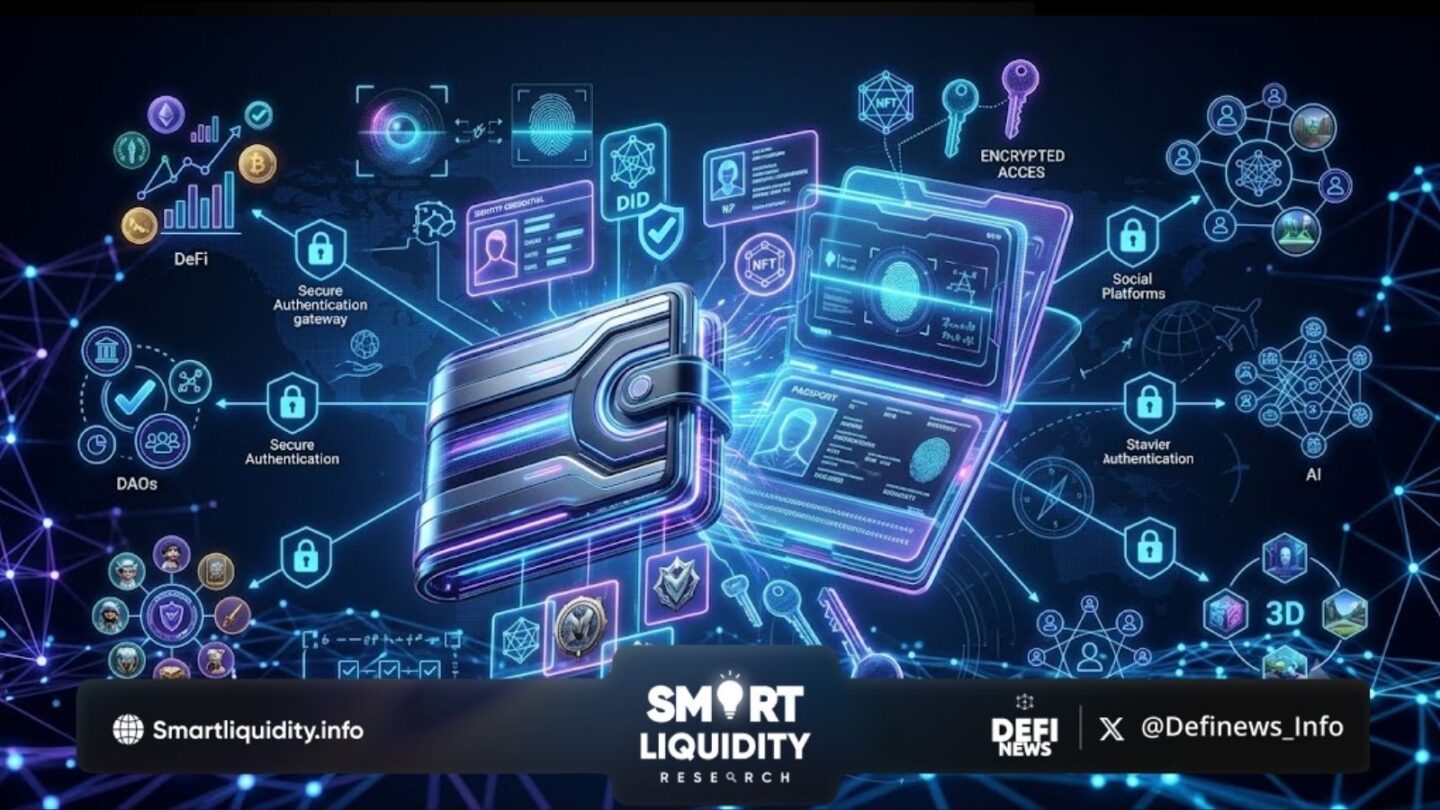
More Than a Place to Store Crypto
For years, crypto wallets were viewed as simple tools for holding digital assets and signing blockchain transactions. Their primary function was straightforward: securely store private keys and allow users to send or receive cryptocurrencies.
That role is rapidly evolving.
Today, wallets are transforming into comprehensive digital identities that represent who users are across decentralized ecosystems. Instead of acting as digital bank accounts, wallets are becoming digital passports—portable, permissionless identities that unlock access to financial services, governance, gaming, social platforms, AI applications, and much more.
As Web3 matures, your wallet is beginning to matter just as much as your assets.
Identity Without Central Authorities
Traditional internet identity depends on centralized platforms.
Logging into websites typically requires:
- Email addresses
- Passwords
- Phone verification
- Government-issued IDs
- Social media accounts
These systems place user identity under the control of corporations that collect, monetize, and often expose personal data.
Blockchain wallets introduce a fundamentally different model.
Instead of asking a centralized provider for permission, users authenticate ownership using cryptographic signatures. No passwords are transmitted, no personal information is required, and users remain in control of their credentials.
Ownership replaces registration.
Your On-Chain Reputation Matters
Every blockchain transaction contributes to a growing on-chain history.
This history can include:
- DeFi participation
- NFT ownership
- DAO governance votes
- Liquidity provision
- Staking activity
- Developer contributions
- Community engagement
- Cross-chain interactions
Together, these activities form a verifiable reputation that applications can recognize.
Unlike traditional credit scores or social media profiles, this reputation is transparent, portable, and owned by the user rather than a single platform.
Projects increasingly reward long-term participants based on wallet history rather than simply attracting short-term users with token incentives.
One Wallet, Many Ecosystems
A modern wallet already serves as a universal login across thousands of decentralized applications.
With one cryptographic signature, users can access:
- Decentralized exchanges
- Lending protocols
- NFT marketplaces
- Blockchain games
- Social platforms
- AI-powered applications
- Governance portals
- Token launch platforms
Rather than creating dozens of separate accounts, a single wallet becomes the key that opens an entire digital economy.
This seamless interoperability is one of Web3’s greatest advantages.
The Rise of Verifiable Credentials
The next evolution goes beyond wallet addresses.
Developers are integrating verifiable credentials that allow wallets to prove specific facts without revealing unnecessary personal information.
For example, users may prove:
- They are over the required age.
- They completed a certification.
- They belong to a specific DAO.
- They passed KYC requirements.
- They attended an event.
- They own certain assets.
Zero-knowledge cryptography enables these proofs while preserving privacy.
Instead of exposing entire identities, users reveal only what is necessary.
Access Is Becoming Reputation-Based
Increasingly, Web3 projects reward users based on meaningful participation rather than speculative behavior.
Wallet history can determine eligibility for:
- Exclusive token launches
- Governance privileges
- Community rewards
- NFT mints
- Higher staking tiers
- DeFi incentives
- Beta testing opportunities
- Ecosystem grants
Rather than filling out forms or submitting applications, your wallet demonstrates your experience and contributions.
Participation becomes your résumé.
Wallets Beyond Finance
The concept of digital passports extends well beyond cryptocurrency.
Future wallet use cases may include:
- Digital driver’s licenses
- University diplomas
- Medical records
- Professional certifications
- Event tickets
- Membership cards
- Travel credentials
- AI identity verification
Instead of storing dozens of separate credentials across different services, users could manage them from a single self-custodied wallet while deciding exactly who can access each piece of information.
This creates a more user-centric internet where individuals control their own identity.
Challenges Still Remain
Despite rapid progress, several obstacles must be addressed before wallets fully become digital passports.
User Experience
Managing seed phrases, signing transactions, and understanding permissions remain intimidating for newcomers.
Security
As wallets accumulate more valuable credentials, they become increasingly attractive targets for attackers.
Privacy
Public blockchain data can expose behavioral patterns if privacy-enhancing technologies are not widely adopted.
Standardization
The ecosystem still lacks universal standards for decentralized identity, credential verification, and interoperability across chains.
Solving these issues will be essential for mainstream adoption.
The Future of Digital Identity
The shift from centralized accounts to self-owned identities represents one of Web3’s most important transformations.
In the coming years, wallets may become the foundation of how people interact with the internet—not just financially, but socially, professionally, and personally.
Instead of asking companies to verify who we are, we may carry portable, cryptographically secure identities that work across countless applications while preserving privacy and user ownership.
The wallet of the future won’t simply hold your money.
It will hold your reputation, credentials, memberships, achievements, and digital life.
In a decentralized internet, your wallet is becoming your passport—and the journey has only just begun.