Blockchain Loyalty Programs Explained: The Future of Customer Rewards
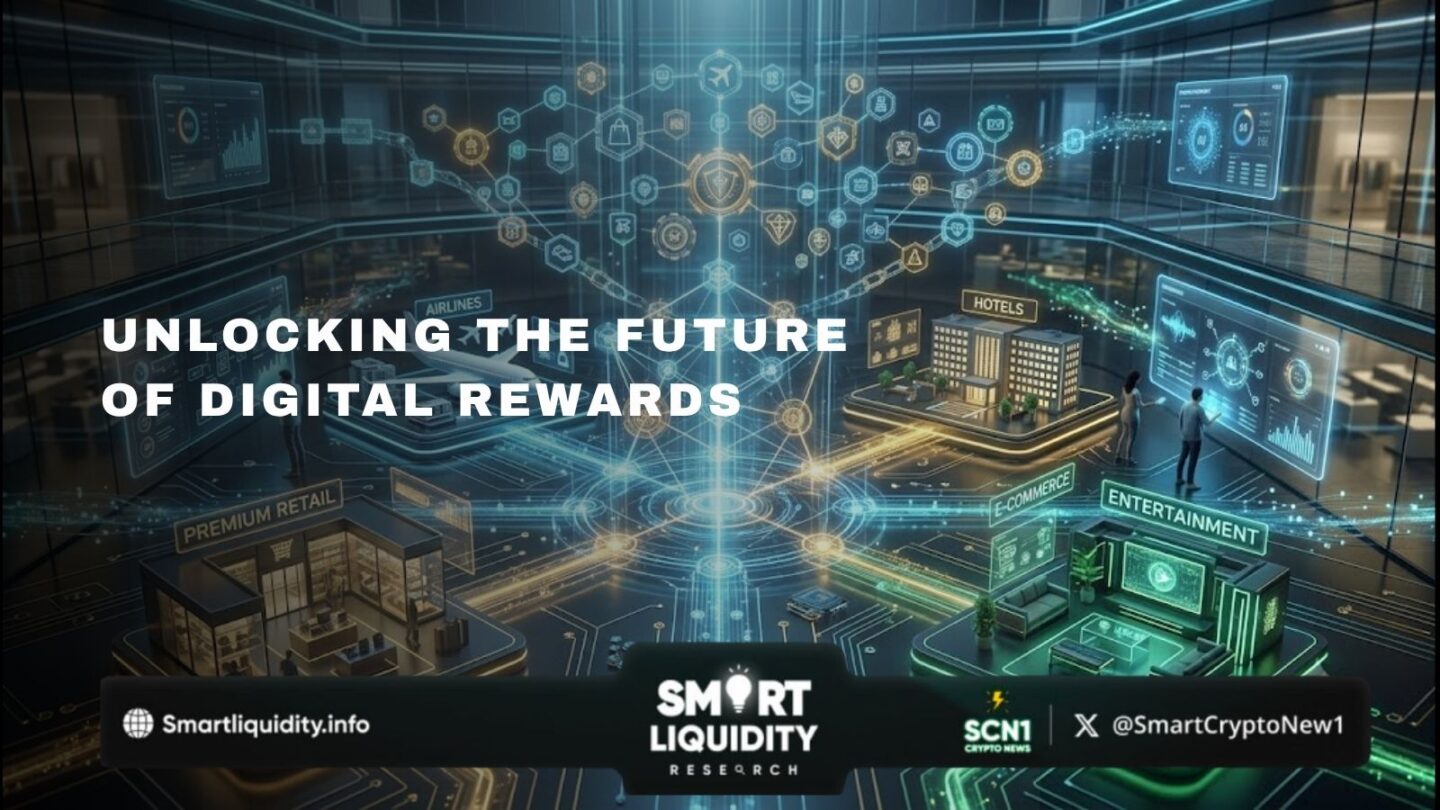
Loyalty programs have been around for decades. From airline miles and hotel points to coffee shop punch cards and retail rewards, businesses have long relied on incentives to keep customers coming back. However, traditional loyalty systems often suffer from limited flexibility, poor transparency, expiration rules, and rewards that are difficult to redeem.
Blockchain technology is changing that.
By bringing transparency, security, and interoperability to reward systems, blockchain-based loyalty programs are creating a more engaging experience for both businesses and consumers. Instead of locking rewards inside a single ecosystem, blockchain allows digital loyalty assets to become more flexible, secure, and valuable.
What Is a Blockchain Loyalty Program?
A blockchain loyalty program is a customer rewards system that records loyalty points, memberships, or digital rewards on a blockchain instead of a centralized database.
Customers still earn rewards by making purchases, completing tasks, or participating in promotions, but the rewards are stored as blockchain-based digital assets that are verifiable and secure.
Unlike traditional databases that are controlled by one company, blockchain creates an immutable record of every reward earned and redeemed.
Why Traditional Loyalty Programs Fall Short
Most loyalty systems have several common problems:
- Points expire unexpectedly.
- Rewards cannot be transferred.
- Customers struggle to track balances.
- Fraud and duplicate rewards occur.
- Programs are isolated from one another.
- Redemption options are often limited.
Many consumers forget they even have reward points because accessing them is inconvenient.
Blockchain addresses many of these challenges.
How Blockchain Improves Loyalty Programs
1. Transparent Rewards
Every reward transaction is recorded on-chain.
Customers can independently verify:
- Points earned
- Reward history
- Redemptions
- Bonus campaigns
This transparency builds trust between brands and customers.
2. Improved Security
Blockchain significantly reduces the risk of:
- Account manipulation
- Duplicate rewards
- Fraudulent redemptions
- Unauthorized balance changes
Since blockchain records cannot easily be altered, businesses gain a more secure infrastructure for managing rewards.
3. True Ownership
Instead of existing only inside a company’s private database, blockchain-based loyalty assets can be owned directly by users through their digital wallets.
Customers have greater control over their rewards rather than relying entirely on centralized systems.
4. Cross-Brand Interoperability
One of blockchain’s biggest advantages is interoperability.
Imagine earning rewards from:
- An airline
- A hotel
- A restaurant
- A ride-sharing app
Instead of maintaining four separate point systems, blockchain could allow these rewards to interact within a shared ecosystem.
Customers gain more flexibility while businesses expand their reach through partnerships.
5. Instant Redemption
Traditional loyalty systems often require:
- Manual approvals
- Delayed processing
- Customer support intervention
Blockchain enables near-instant verification and redemption through smart contracts.
The result is a smoother customer experience.
Tokenized Loyalty Points
Some blockchain loyalty programs tokenize rewards.
Rather than simple database entries, loyalty points become blockchain tokens.
These tokens may allow users to:
- Redeem products
- Access premium memberships
- Unlock exclusive experiences
- Participate in community events
- Receive discounts
- Earn additional rewards through staking mechanisms
Not every loyalty token is tradable, but tokenization opens many possibilities beyond traditional reward systems.
NFTs in Loyalty Programs
Non-fungible tokens (NFTs) introduce another layer of customer engagement.
Brands can issue NFTs that represent:
- VIP memberships
- Lifetime customer status
- Event tickets
- Limited-edition collectibles
- Special access passes
- Exclusive product launches
Unlike traditional membership cards, NFTs can include programmable benefits that automatically unlock perks when owned by a customer.
Smart Contracts Automate Rewards
Smart contracts eliminate much of the manual work involved in loyalty programs.
They can automatically:
- Award points after purchases
- Trigger bonus campaigns
- Validate eligibility
- Process redemptions
- Prevent duplicate claims
Automation reduces operational costs while improving customer satisfaction.
Benefits for Businesses
Blockchain loyalty programs provide several business advantages.
Lower Fraud
Immutable records reduce reward abuse.
Better Customer Retention
Flexible rewards encourage repeat engagement.
Reduced Administrative Costs
Automation minimizes manual management.
Richer Customer Engagement
Digital collectibles and tokenized experiences create stronger emotional connections.
Easier Partnerships
Multiple brands can collaborate through shared blockchain infrastructure.
Benefits for Consumers
Customers enjoy several improvements.
- Greater transparency
- Faster reward redemption
- Increased security
- Digital ownership
- More valuable rewards
- Cross-platform usability
- Personalized experiences
Instead of forgetting points inside dozens of accounts, users can potentially manage rewards from multiple brands in a single wallet.
Real-World Use Cases
Blockchain loyalty is already appearing across multiple industries.
Retail
Reward tokens for purchases and referrals.
Travel
Airline and hotel points with broader redemption options.
Food & Beverage
Digital memberships and collectible reward NFTs.
Gaming
Cross-game loyalty rewards and digital collectibles.
Entertainment
Concert tickets combined with long-term fan rewards.
E-commerce
Tokenized cashback and loyalty incentives.
Challenges Still Exist
Despite its advantages, blockchain loyalty programs still face several hurdles.
User Experience
Wallet setup and blockchain interactions remain unfamiliar to many consumers.
Regulation
Different jurisdictions have varying rules for digital assets and tokenized rewards.
Scalability
Large consumer brands require networks capable of processing millions of transactions efficiently.
Education
Many customers still do not understand blockchain technology, making onboarding a challenge.
As blockchain infrastructure matures, these barriers are expected to diminish.
The Future of Loyalty
The next generation of loyalty programs may become far more personalized and interconnected.
Future systems could enable customers to:
- Carry loyalty rewards across multiple brands.
- Receive personalized incentives powered by AI.
- Earn rewards for both online and offline activity.
- Access exclusive communities through digital memberships.
- Trade or combine rewards across participating ecosystems.
- Interact with brands through gamified experiences.
Rather than simply collecting points, customers will increasingly participate in digital ecosystems where loyalty becomes an interactive and valuable asset.
Conclusion
Blockchain loyalty programs are transforming how businesses build lasting relationships with customers. By combining transparency, automation, security, and digital ownership, they address many of the limitations of traditional reward systems.
As adoption grows, loyalty points may evolve from isolated database entries into versatile digital assets that can be used across multiple brands and experiences. For companies, this creates new opportunities to deepen engagement and foster long-term customer relationships. For consumers, it means rewards that are more accessible, flexible, and meaningful.
In the years ahead, blockchain-powered loyalty programs are poised to become a key component of the digital economy, reshaping customer engagement in ways that traditional systems simply cannot.