The Connection Between SocialFi and the Blockchain Industry
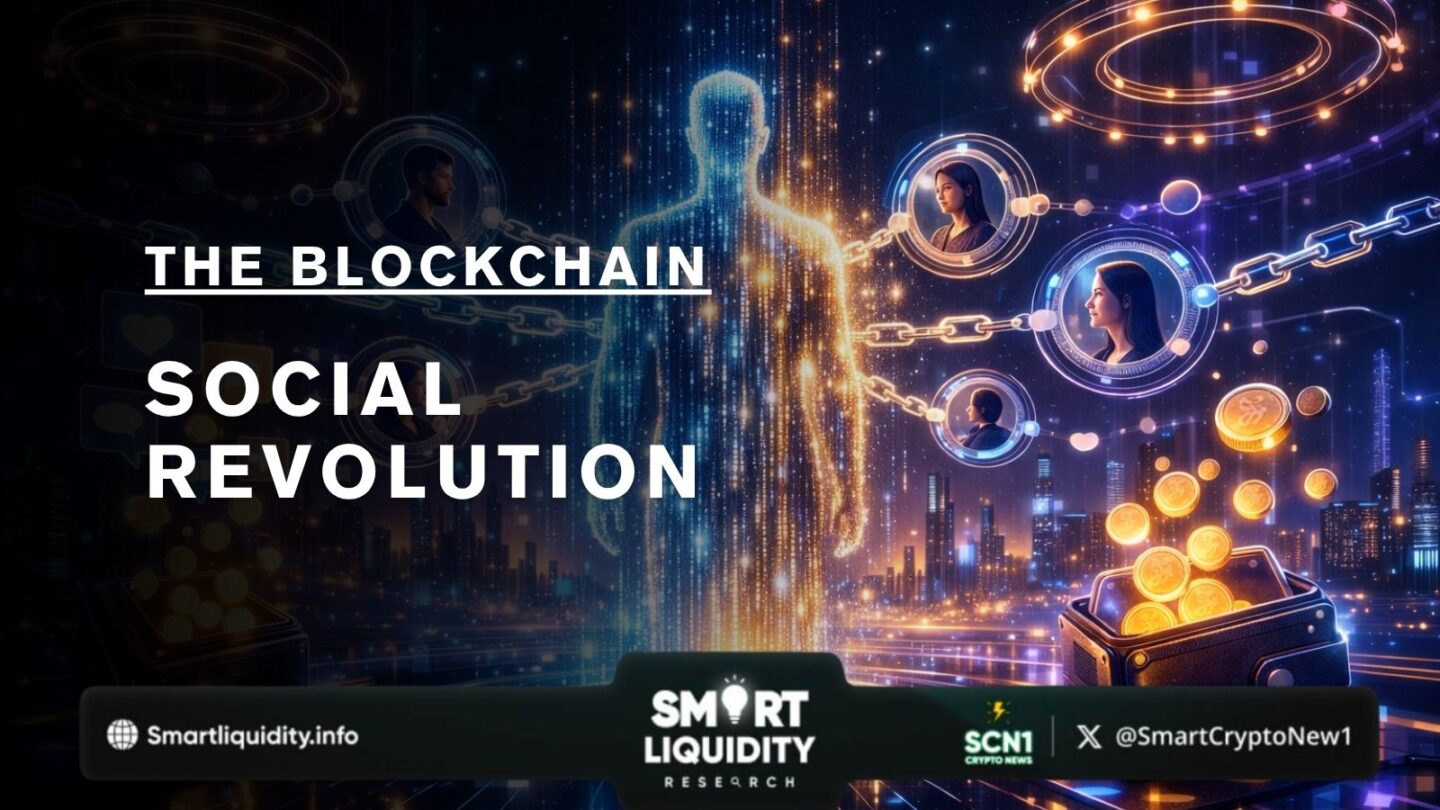
Introduction
The rise of Web3 has sparked a wave of innovation across digital finance, identity, and online interaction. One of the most intriguing developments is SocialFi (Social Finance)—a model that merges social media with blockchain-powered financial systems.
At its core, SocialFi represents a shift in how value is created and distributed online, positioning itself as a natural extension of the broader blockchain industry.
What is SocialFi?
SocialFi combines social networking and decentralized finance (DeFi), allowing users to own, control, and monetize their social interactions.
Unlike traditional platforms, where companies profit from user data and content, SocialFi platforms allow individuals to:
- Earn tokens from content creation and engagement
- Own their digital identity and data
- Participate in governance through decentralized systems
In short, your likes, posts, and influence stop being “free labor” and start becoming financial assets.
The Role of Blockchain in SocialFi
SocialFi would not exist without blockchain. The connection between the two is fundamental and structural—not just complementary.
1. Decentralization
Blockchain removes the need for centralized platforms (like Facebook or X). Instead, SocialFi platforms operate on distributed networks where:
- No single entity controls data
- Users retain ownership of content
- Systems are resistant to censorship
This aligns with blockchain’s core philosophy of trustless, peer-to-peer systems.
2. Tokenization of Social Value
One of the most powerful contributions of blockchain to SocialFi is tokenization.
SocialFi platforms create native tokens that:
- Reward engagement (likes, shares, comments)
- Represent influence or reputation
- Enable trading of social assets (e.g., creator tokens or “keys”)
This turns social capital into financial capital, something impossible in Web2 ecosystems.
3. Smart Contracts and Automation
Blockchain-based smart contracts automate how value flows in SocialFi ecosystems:
- Creators receive instant payments
- Revenue splits happen transparently
- Rewards are distributed without intermediaries
This eliminates reliance on advertisers or platform owners and ensures fair and transparent monetization.
4. Digital Ownership via NFTs
SocialFi also leverages NFTs (non-fungible tokens) to represent:
- Content ownership
- Membership access
- Unique digital identities
This gives users provable ownership of their online presence—something traditional platforms never offered.
5. DAO Governance
Many SocialFi platforms are governed by Decentralized Autonomous Organizations (DAOs), allowing users to:
- Vote on platform changes
- Influence policies
- Shape the ecosystem’s future
This transforms users from passive participants into active stakeholders.
Why SocialFi Matters to the Blockchain Industry
SocialFi is more than just another crypto trend—it addresses one of blockchain’s biggest challenges: real-world adoption.
Bridging Web2 and Web3
SocialFi integrates familiar social media behaviors with blockchain infrastructure, making Web3 more accessible to everyday users.
Expanding Use Cases
Blockchain moves beyond finance (DeFi) into:
- Creator economies
- Community building
- Digital identity systems
Driving Network Effects
Social platforms thrive on user activity. By combining this with blockchain incentives, SocialFi creates self-reinforcing ecosystems where:
- More users → more engagement
- More engagement → more value
- More value → more adoption
Challenges Facing SocialFi
Despite its potential, SocialFi faces several hurdles:
1. Scalability
Blockchain networks can struggle with high transaction volumes, which is critical for social platforms.
2. User Experience
Managing wallets, gas fees, and keys can still feel like solving a puzzle with missing pieces.
3. Security Risks
Some developers and users have raised concerns about vulnerabilities in SocialFi platforms, especially around user data and smart contracts.
4. Regulation
Combining finance and social media raises legal questions around:
- Data privacy
- Financial compliance
- Content moderation
The Future of SocialFi in Blockchain
SocialFi represents a natural evolution of blockchain technology—from purely financial systems to human-centric digital economies.
As infrastructure improves (Layer 2 scaling, better UX, decentralized identity), SocialFi could:
- Disrupt traditional social media giants
- Create new income streams for creators
- Redefine digital ownership and community governance
In the long run, the success of SocialFi may determine whether blockchain becomes a niche financial tool—or the foundation of the next internet.
Finale
The connection between SocialFi and the blockchain industry is deeply intertwined. Blockchain provides the technology, trust, and economic framework, while SocialFi brings human interaction and cultural relevance.
Together, they form a powerful narrative:
A decentralized internet where users don’t just participate—they own, earn, and govern.