What Are Token Burns and Why Do Projects Use Them?
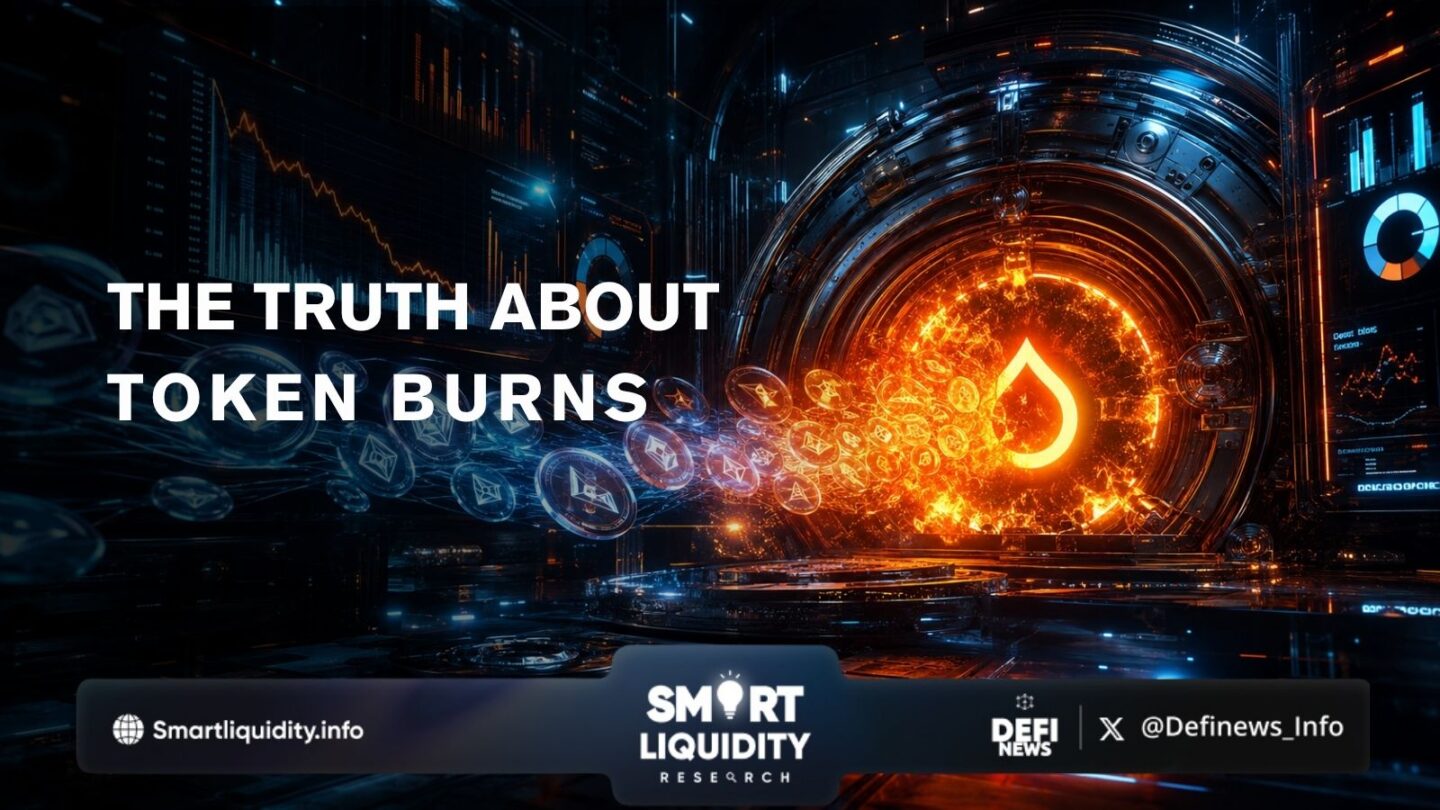
In crypto, few announcements create as much excitement as a “token burn.” Prices sometimes jump, communities celebrate, and social media fills with bullish reactions. But what exactly is a token burn, and does it really make a project more valuable?
For beginners, token burns can sound complicated. In reality, the concept is simple: token burns permanently remove coins or tokens from circulation. The goal is usually to reduce supply, create scarcity, or strengthen a project’s economic model.
Here’s a clear breakdown of how token burns work, why crypto projects use them, and why burns don’t always guarantee long-term value.
What Is a Token Burn?
A token burn happens when a cryptocurrency project sends tokens to a wallet address that nobody can access or control. This wallet is often called a “burn address” or “dead wallet.”
Once tokens are sent there, they are effectively destroyed forever because nobody has the private keys needed to move them again.
Think of it like this:
- Total token supply = all existing tokens
- Burned tokens = permanently removed from circulation
- Remaining supply = fewer tokens available in the market
If a project originally had 1 billion tokens and burns 100 million, the circulating supply decreases to 900 million.
Why Do Projects Burn Tokens?
Projects burn tokens for several reasons, ranging from economic strategy to pure marketing.
1. Supply Reduction
The most common reason is reducing supply.
In traditional economics, scarcity can increase value if demand remains strong. Crypto projects apply the same idea.
If fewer tokens exist while user demand stays the same or grows, the token could theoretically become more valuable over time.
This is why many investors view burns as a bullish event.
Deflationary Tokenomics Explained
Some crypto projects are designed to be “deflationary.”
A deflationary asset becomes scarcer over time because tokens are continuously removed from circulation.
Popular burn mechanisms include:
- Burning a percentage of transaction fees
- Burning part of the project revenue
- Scheduled quarterly burns
- Automatic burns through smart contracts
The idea is similar to stock buybacks in traditional finance, where companies reduce the number of shares available in the market.
How Token Burns Affect Price
Many beginners assume:
“If supply goes down, price must go up.”
But crypto markets are more complicated than that.
Price depends on both:
- Supply
- Demand
A token burn can help price appreciation only if people still want to buy, hold, or use the token.
If demand is weak, burning tokens alone may have little effect.
Example:
- A project burns 10% of the supply
- But user activity drops sharply
- Investors lose interest
- Price still falls despite the burn
This is why utility and adoption matter far more than burns alone.
Types of Token Burns
Manual Burns
The project team decides when and how many tokens to burn.
These are usually announced publicly to create transparency and community engagement.
Example:
- Quarterly burns
- Revenue-based burns
- Milestone celebrations
While the announcement sounds impressive, the actual market impact may be minimal.
This is why experienced investors always ask:
- Where did the burned tokens come from?
- Were they actively circulating?
- Does the burn affect real supply and demand?
Famous Examples of Token Burns
Several major crypto ecosystems use burns as part of their tokenomics strategy.
BNB
BNB regularly performs quarterly token burns using exchange revenue. The goal is to reduce the total supply over time gradually.
Ethereum
Ethereum introduced a burn mechanism through EIP-1559, where part of the transaction fees gets permanently burned during network activity.
This means heavy network usage can reduce the growth of the ETH supply.
Shiba Inu
Shiba Inu heavily promotes community-driven burns as part of its ecosystem narrative, though debates continue about the long-term economic impact.
Common Misunderstandings About Token Burns
“Burns Guarantee Higher Prices”
False.
Burns can support scarcity, but they cannot replace:
- Product utility
- User adoption
- Revenue generation
- Strong community growth
“Big Burns Always Matter”
Not necessarily.
Burning inactive or locked tokens may create headlines without significantly changing market conditions.
“Deflation Means Infinite Growth”
Also false.
A shrinking supply only matters if demand remains healthy.
Without real ecosystem activity, scarcity alone cannot sustain long-term value.
What Investors Should Look At
When evaluating token burns, focus on these questions:
Is the burn connected to real revenue?
Burns backed by actual platform income tend to be more sustainable.
Is the token widely used?
Utility creates demand.
Are burns consistent?
Predictable tokenomics are usually healthier than random hype-driven events.
Does the ecosystem continue growing?
Burns work best alongside expanding adoption and network activity.
Final Thoughts
Token burns are one of the most talked-about mechanisms in crypto because they combine economics, psychology, and marketing into a single event.
At their best, burns can:
- Reduce supply
- Strengthen tokenomics
- Reward long-term holders
- Reflect real ecosystem growth
At their worst, they become little more than promotional tactics designed to create temporary hype.
The key lesson for beginners is simple:
A token burn alone does not create value. Sustainable value comes from real utility, active users, strong products, and growing demand.
Burns can support a healthy ecosystem — but they cannot replace one.