Cerberus: Autonomous Wallet Defense for the Post-Approval Era
Introduction
Modern Web3 security has a blind spot that most users still underestimate: transaction approval does not end risk—it begins it.
Every day, wallets authorize smart contracts with persistent permissions. Yet once those approvals are granted, there is often no active system monitoring what those contracts do afterward. This gap has contributed to some of the largest losses in the history of decentralized finance.
In April 2026 alone, over $600M was stolen across more than 12 protocols, including major incidents such as Drift (~$285M), Kelp DAO (~$292M), and Rhea Finance (~$18.4M). In each case, the common failure pattern was not initial access, but unmonitored approvals exploited after the fact.
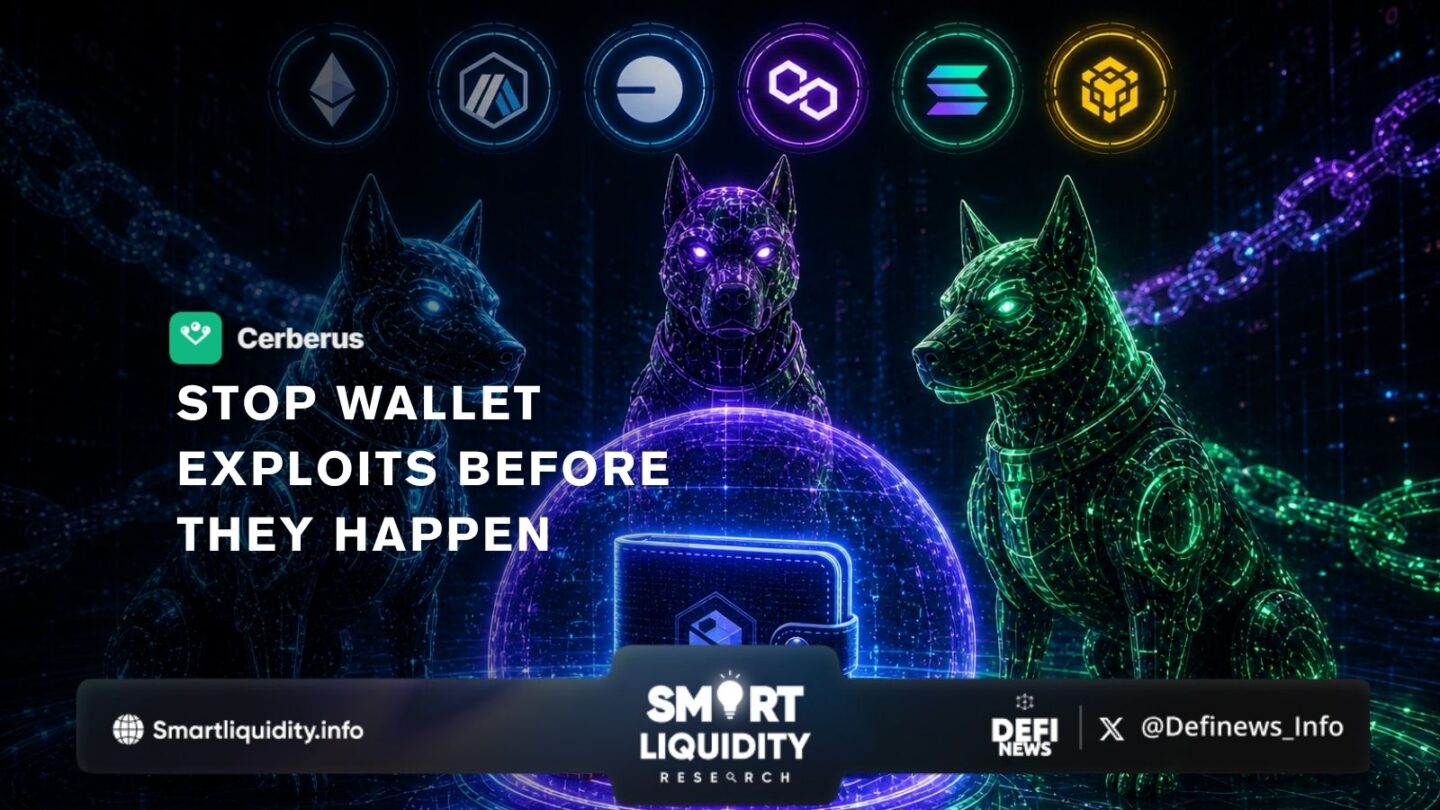
Cerberus is designed to address this structural weakness with a three-layer autonomous defense system that protects wallets before, during, and after transactions.
The Core Problem: Approvals Are Permanent, But Threats Are Dynamic
When users approve a smart contract, they often assume the risk is tied to that single interaction. In reality, approvals can remain active indefinitely, allowing contracts to execute future actions without additional user consent.
The issue is compounded by:
- Exploits triggered long after initial approval
- Malicious contract upgrades after deployment
- Hidden permission abuse in otherwise “normal” swaps
- Delayed detection of protocol compromises
Most security tools only respond after funds are already gone. Cerberus takes a different approach: continuous, autonomous intervention.
Introducing Cerberus
Cerberus is an AI-driven wallet protection network composed of three autonomous agents:
- Shield Agent (real-time defense layer)
- Sentinel Agent (pre-execution simulation layer)
- Recovery Agent (active breach interception layer)
Together, they form a lifecycle-based security system that reacts across the entire transaction timeline instead of only at signature time.
Shield Agent: Real-Time Approval Monitoring
The Shield Agent operates as the continuous monitoring layer of Cerberus.
Key Functions:
- Tracks every active wallet approval in real time
- Detects when a protocol becomes compromised or exploited
- Automatically revokes risky approvals within the same block
- Neutralizes exposure before attackers can scale extraction
Unlike traditional wallet security tools that notify users after an exploit is discovered, Shield acts within the transaction environment itself, minimizing reaction delay to near-zero.
Its core advantage is speed: when protocols break, users are no longer waiting for alerts—they are already protected.
Sentinel Agent: Pre-Execution Simulation Layer
The Sentinel Agent focuses on preventing malicious transactions before they are signed.
Key Functions:
- Simulates transactions before execution
- Detects phishing contracts, rug pulls, and honeypot structures
- Identifies hidden malicious approvals embedded in normal-looking swaps
- Provides risk classification before user confirmation
This layer functions as Cerberus’ predictive intelligence system. Instead of analyzing outcomes after execution, it reconstructs intent and behavior in advance.
It is particularly effective against:
- Deceptive DeFi interfaces
- Obfuscated contract logic
- Social engineering-based token traps
In short, Sentinel does not trust transactions—it interrogates them.
Recovery Agent: Active Threat Interception
The Recovery Agent is the final defense layer, designed for worst-case scenarios where exploitation is already in progress.
Key Functions:
- Detects live wallet draining activity
- Competes with attackers using MEV infrastructure (e.g., Flashbots-style execution paths)
- Attempts rapid asset relocation before drain completion
- Acts as a last-resort mitigation system
This layer acknowledges a harsh reality of Web3 security: prevention is not always enough. When breaches occur, timing becomes everything.
Recovery Agent is designed to operate in that narrow window where funds are still movable but under active attack.
Multi-Chain Coverage
Cerberus is built for cross-ecosystem deployment across major blockchain environments, including:
- Ethereum
- Base
- Arbitrum
- Polygon
- Solana
- BNB Smart Chain
This multi-chain design ensures protection is not isolated to a single ecosystem, reflecting the reality of modern wallet usage across fragmented networks.
$CERB Token Utility
The upcoming $CERB token is intended to power the Cerberus security network.
While full token mechanics are not yet finalized, its role is expected to align with:
- Network security incentives
- Agent coordination and execution fees
- Governance over risk models and detection parameters
- Potential staking-based access or prioritization mechanisms
In practice, $CERB functions as the coordination layer for a distributed security intelligence system.
Conclusion
Cerberus is not positioned as another notification-based wallet tool. It is designed as an autonomous, multi-layer defense architecture that assumes one critical truth:
In Web3, waiting for alerts is already too late.
By combining real-time monitoring, pre-execution simulation, and active recovery interception, Cerberus aims to shift wallet security from reactive awareness to continuous autonomous protection.
If successful, it represents a broader evolution in crypto security: from static safeguards to self-defending financial agents operating at transaction speed.