Blockchain-Powered Invoice Financing: Unlocking Faster Cash Flow for Businesses
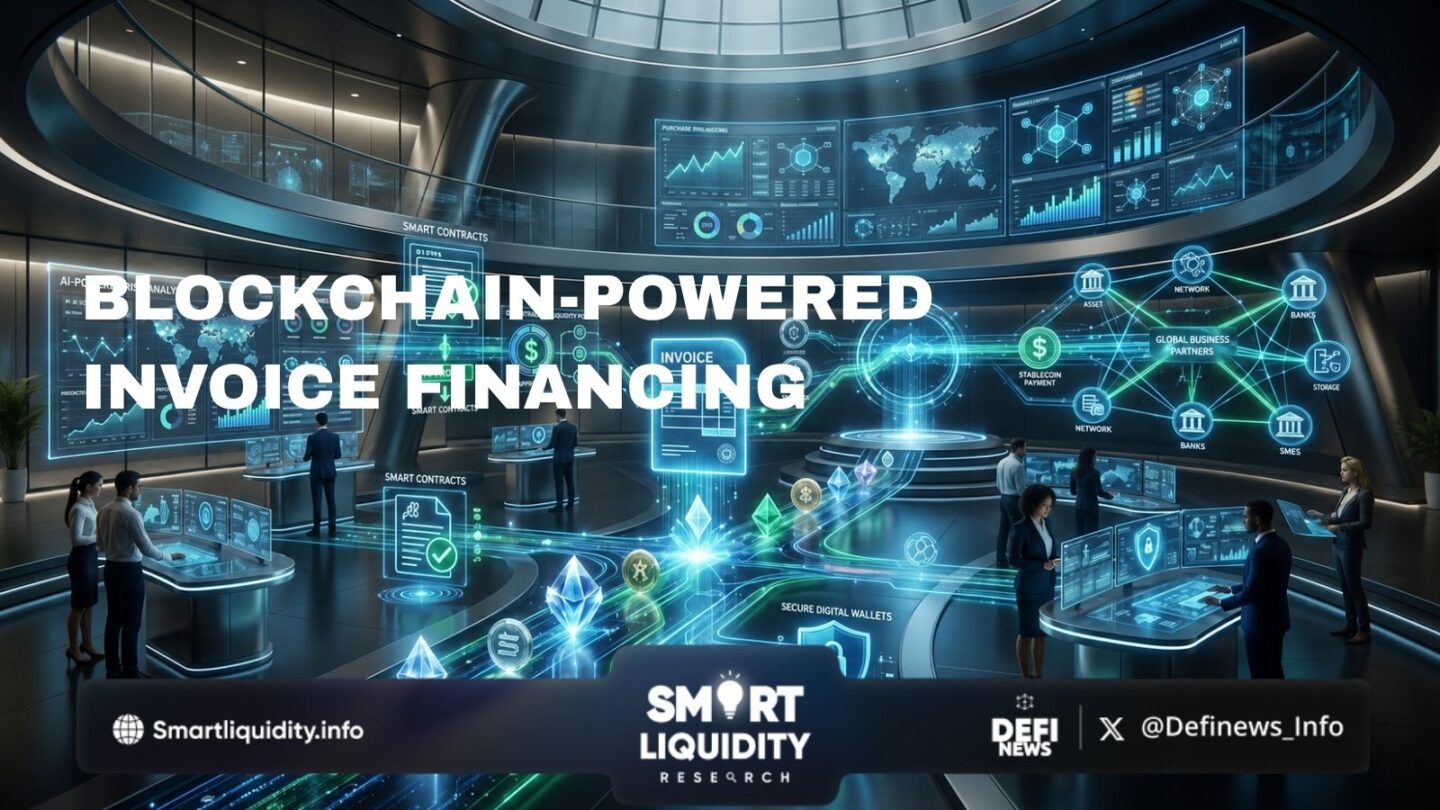
In today’s fast-paced economy, waiting 30, 60, or even 90 days for invoice payments can strain a company’s cash flow. For small and medium-sized businesses (SMBs), delayed payments often mean delayed growth, missed opportunities, and increased reliance on expensive loans.
Blockchain-powered invoice financing is emerging as a modern solution that transforms unpaid invoices into liquid capital while making the financing process faster, more transparent, and significantly more secure.
What Is Invoice Financing?
Invoice financing allows businesses to borrow money against outstanding invoices instead of waiting for customers to pay.
Here’s a simple example:
- A business issues a $50,000 invoice with 60-day payment terms.
- Instead of waiting two months, it receives up to 90% of the invoice value immediately from a financing provider.
- Once the customer pays the invoice, the remaining balance is released after deducting financing fees.
This gives businesses immediate working capital without selling equity or taking on traditional debt.
The Problems With Traditional Invoice Financing
While invoice financing isn’t new, the traditional system has several inefficiencies.
Slow Verification
Financial institutions spend significant time verifying:
- Invoice authenticity
- Customer creditworthiness
- Business ownership
- Payment history
This manual process often delays funding.
Fraud Risks
Invoice fraud remains one of the industry’s biggest concerns.
Examples include:
- Fake invoices
- Duplicate financing
- Altered payment records
- Identity fraud
Because records are stored across multiple databases, detecting fraud isn’t always easy.
High Costs
Banks and factoring companies charge fees to cover operational costs and credit risk.
Smaller businesses frequently pay higher financing rates simply because they lack extensive credit histories.
How Blockchain Changes Everything
Blockchain introduces a shared, immutable ledger where invoices can be securely recorded and verified.
Instead of relying solely on paperwork, participants share a trusted source of truth.
Key benefits include:
Immutable Records
Once an invoice is recorded on-chain, it cannot be secretly altered.
This creates confidence among:
- Lenders
- Suppliers
- Buyers
- Auditors
Instant Verification
Blockchain enables participants to verify invoice ownership almost immediately.
Smart contracts can automatically confirm:
- Invoice creation
- Payment terms
- Due dates
- Financing status
This dramatically reduces manual paperwork.
Reduced Fraud
Every invoice receives a unique blockchain record.
This helps prevent:
- Double financing
- Duplicate invoices
- Unauthorized modifications
The transparent audit trail makes suspicious activity easier to detect.
Faster Settlement
Smart contracts automate funding.
Once financing conditions are met, payments can be released automatically without multiple intermediaries.
Businesses receive working capital much faster.
The Role of Smart Contracts
Smart contracts are self-executing programs stored on blockchain networks.
Instead of requiring manual approval, they automatically execute financing agreements.
For example:
- Supplier uploads invoice.
- Invoice is verified.
- Investor funds the invoice.
- Customer pays invoice.
- Smart contract distributes repayment automatically.
This reduces administrative overhead while minimizing human error.
Tokenizing Invoices
One of blockchain’s most exciting innovations is invoice tokenization.
An invoice can be represented as a digital asset on a blockchain.
This creates several new possibilities:
- Fractional ownership
- Secondary trading
- Global investor participation
- Increased liquidity
Instead of one lender financing an invoice, hundreds of investors could fund portions of it.
This opens invoice financing to decentralized capital markets.
DeFi Meets Invoice Financing
Decentralized Finance (DeFi) extends this concept even further.
Businesses may eventually:
- Tokenize invoices
- Use them as collateral
- Borrow stablecoins instantly
- Repay automatically when invoices settle
Rather than negotiating with a bank, financing could occur through decentralized liquidity pools operating around the clock.
This creates a more accessible financial ecosystem, particularly for underserved markets.
Benefits for Small Businesses
Blockchain-powered invoice financing offers several advantages.
Improved Cash Flow
Businesses gain immediate access to funds needed for:
- Payroll
- Inventory
- Marketing
- Expansion
Lower Costs
Automation reduces operational expenses, potentially lowering financing fees.
Greater Transparency
All financing activity is recorded on a shared ledger, reducing disputes between parties.
Expanded Access
Businesses with limited banking relationships may access financing through blockchain-based marketplaces rather than traditional lenders.
Benefits for Investors
Investors also benefit from blockchain-enabled invoice markets.
Potential advantages include:
- Transparent asset verification
- Automated repayments
- Diversified investment opportunities
- Global access to invoice portfolios
Tokenization may allow investors to purchase small portions of many invoices rather than concentrating risk in a single borrower.
Real-World Use Cases
Several industries stand to benefit significantly.
Manufacturing
Manufacturers often wait months for payment while continuing production.
Invoice financing bridges this gap.
Logistics
Shipping companies can unlock capital tied up in completed deliveries.
Healthcare
Hospitals and clinics frequently experience delayed insurance reimbursements.
Blockchain financing can improve liquidity.
International Trade
Cross-border invoice financing becomes more efficient through shared blockchain records that reduce paperwork and verification delays.
Challenges Ahead
Despite its promise, blockchain-powered invoice financing still faces obstacles.
Regulatory Compliance
Financial regulations differ across countries, requiring platforms to comply with local lending laws.
Digital Identity
Reliable identity verification remains essential to prevent fraud.
Enterprise Adoption
Many businesses continue using legacy accounting systems that require blockchain integration.
Legal Recognition
Some jurisdictions are still developing legal frameworks for tokenized financial assets.
The Future of Invoice Financing
As tokenization, digital identity, stablecoins, and smart contracts mature, invoice financing could become one of blockchain’s most impactful real-world financial applications.
Future platforms may combine:
- AI-powered credit scoring
- Blockchain verification
- Tokenized invoices
- Instant stablecoin settlement
- Global investor marketplaces
The result is a financing ecosystem that is faster, more transparent, and available to businesses regardless of geography.
Conclusion
Blockchain-powered invoice financing reimagines one of business finance’s oldest challenges: waiting to get paid.
By combining immutable records, smart contracts, tokenization, and decentralized liquidity, blockchain has the potential to reduce fraud, accelerate funding, and broaden access to working capital.
For businesses, this means healthier cash flow and greater flexibility. For investors, it unlocks a new class of transparent, income-generating assets. As adoption grows, blockchain may transform invoice financing from a slow, paperwork-heavy process into a seamless digital marketplace that keeps capital moving as quickly as modern commerce demands.