DeFi as an Unregulated Labor Market
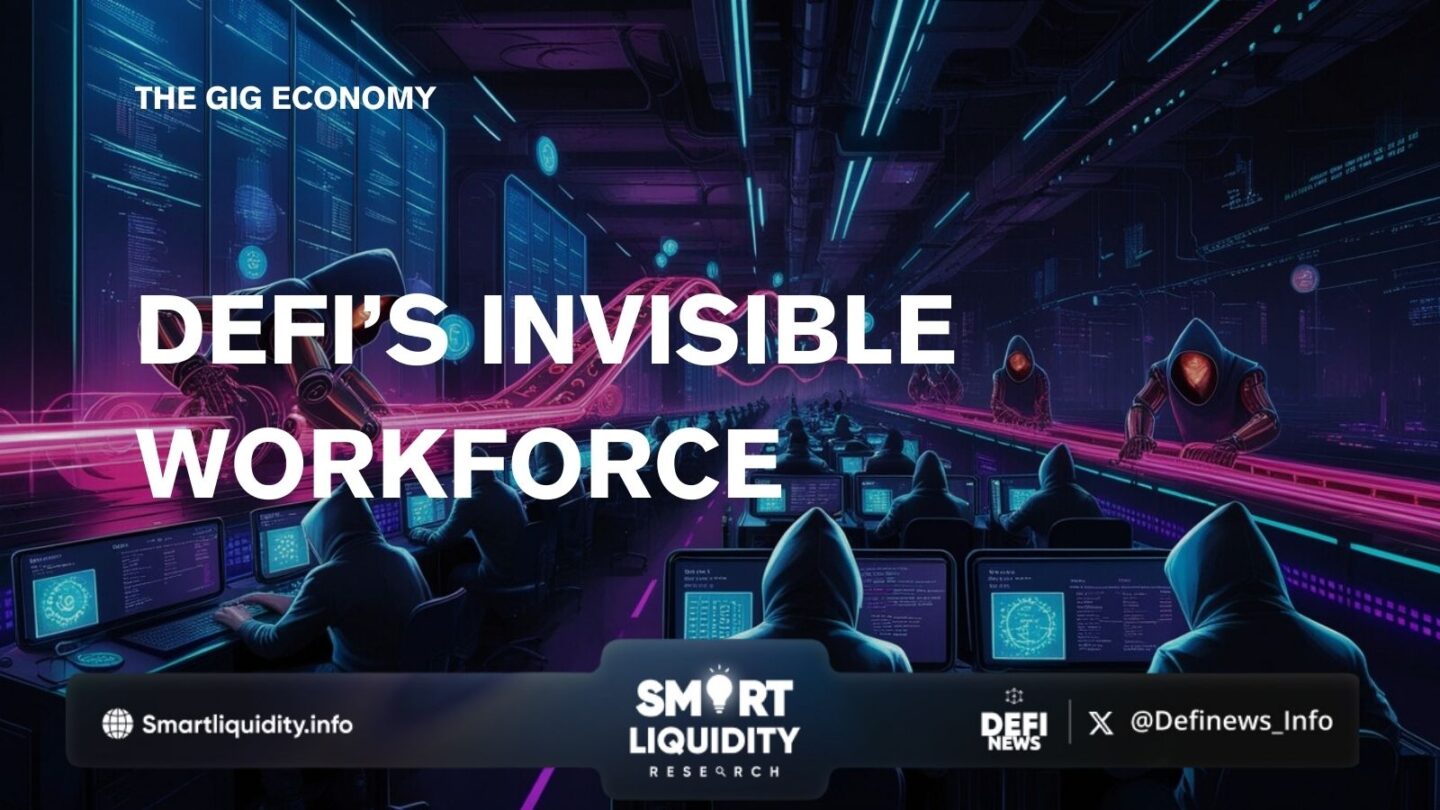
DeFi loves to cosplay as a financial revolution, but squint a little and it looks suspiciously like a labor market—just one without contracts, HR, or mercy. Liquidity providers, liquidators, MEV searchers, and DAO contributors all play a role. They deploy capital, write code, monitor risk, and maintain protocols. Yet none of them get labor protections, income guarantees, or even a polite apology when things go sideways.
Liquidity providers are the shift workers. They clock in capital, absorb volatility, and get paid—sometimes. When markets are calm, yields trickle in. When volatility spikes, impermanent loss can wipe out weeks of “earnings” faster than you can say “passive income.” No minimum wage, no overtime, no hazard pay. Just vibes.
Liquidators and searchers? That’s piecework at algorithmic speed. Bots race bots in a brutal zero-sum sprint where milliseconds decide who eats. You invest in infrastructure, pay for gas, and maintain uptime, all to maybe capture a spread. If congestion spikes or a validator sneezes, congratulations—you worked for free.
DAO contributors are freelancers with governance tokens instead of invoices. They write proposals, manage communities, ship code, and negotiate partnerships. Compensation is variable, delayed, and often decided by anonymous token holders who may or may not have read the forum post. If a DAO implodes, there’s no severance—just a Discord archive and a token chart heading south.
And recourse? Forget it. Smart contracts don’t have appeal processes. Protocols don’t have ombudsmen. “Code is law” is just a poetic way of saying you’re on your own.
Here’s the provocation: DeFi isn’t just finance—it’s the gig economy with liquidation bots. Flexible? Sure. Permissionless? Absolutely. But also ruthlessly extractive for those who provide the labor that keeps the system alive.
Until DeFi grapples with this reality, it will keep selling freedom while quietly outsourcing risk to its hardest workers. And unlike TradFi, there’s no union forming on-chain anytime soon.