Why Most Tokens Are Useless — And What Actually Gives a Token Value
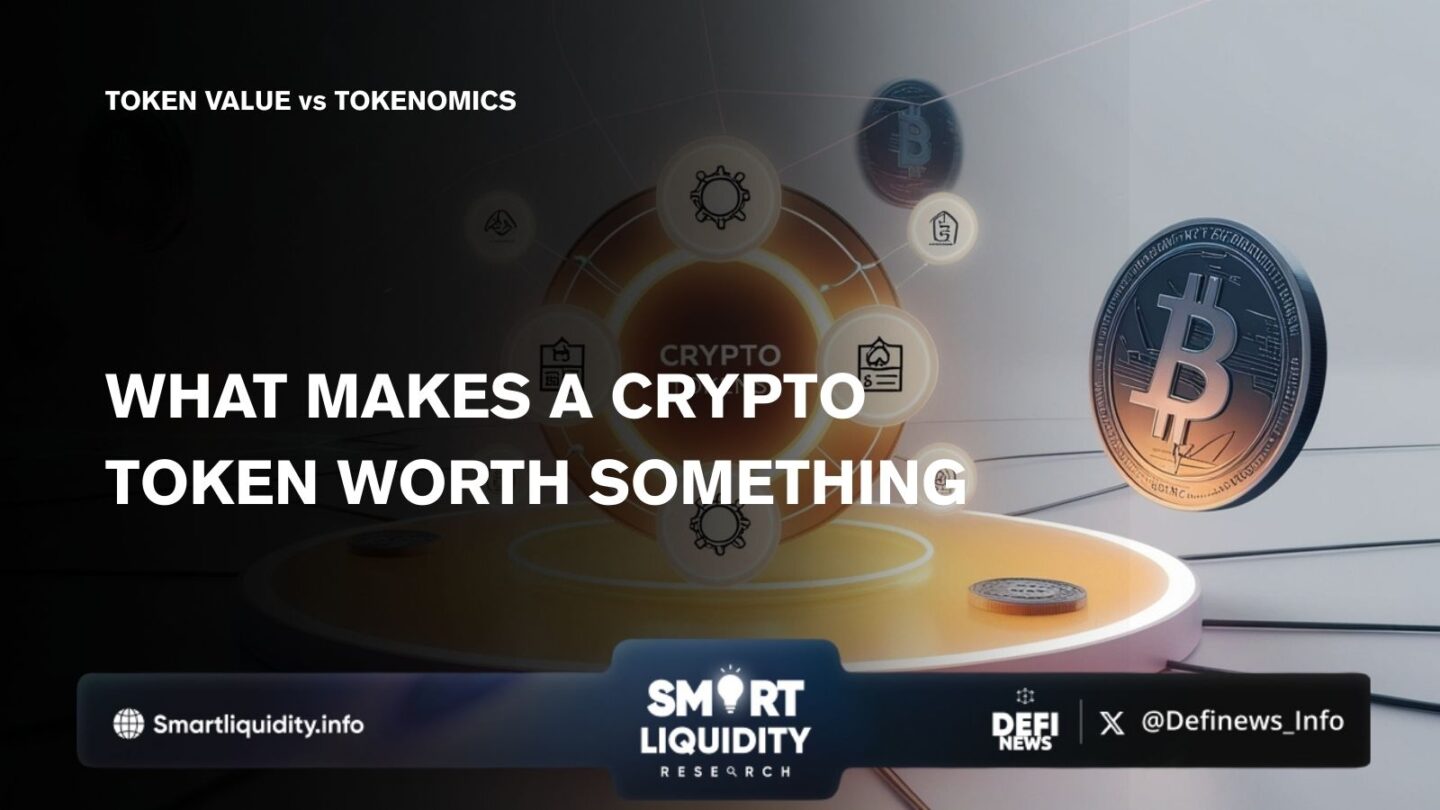
The crypto space is littered with tokens. Some are household names, but the vast majority are little more than digital confetti. Understanding why most tokens fail — and what actually gives a token value — is essential if you want to separate the hype from the real opportunity.
The Problem: Bad Tokenomics
Many tokens launched in the past few years share a few common issues:
Speculative Focus: Tokens designed purely for price appreciation rather than utility.
No Sustainable Cash Flow: The project might raise millions, but the token itself generates no ongoing revenue.
Inflationary Supply: Endless minting dilutes holders’ value, discouraging long-term investment.
Lack of Governance or Control: Many so-called “governance” tokens offer no meaningful power to holders.
Vague Utility: Marketing buzzwords like “community token” or “decentralized everything” often replace actual use cases.
These flawed tokenomics create a bubble where the token is mostly a speculative asset. It might pump in the short term, but without real utility, it risks becoming worthless.
What Actually Gives a Token Value
A token isn’t valuable because it exists. It’s valuable because it does something meaningful. Real token value generally comes from one or more of these:
Fees and Cash Flow
Tokens that capture part of a platform’s revenue inherently create value for holders. For example, exchange tokens that receive a cut of trading fees or DeFi protocols that distribute a portion of protocol earnings give holders real economic exposure.Governance Power
True governance tokens let holders influence a protocol’s direction — from fee structures to protocol upgrades. Value comes from having a say in a system that is growing and generating revenue.Productive Utility
Tokens can have direct functional use. For example, they can be used to pay for services, access premium features, or power interactions within a network. Utility-driven tokens create demand organically, rather than relying solely on speculation.Scarcity + Incentives
Properly designed tokenomics balance supply and demand while incentivizing users to hold, stake, or contribute to the ecosystem. This isn’t just about “token burns” — it’s about creating economic mechanisms that reward participation and long-term engagement.
A Simple Test for Token Value
Ask yourself these questions when evaluating any token:
Does it generate real economic benefits for holders?
Does it give meaningful control over a growing ecosystem?
Is there a functional use case that drives adoption?
Are the tokenomics structured to avoid rampant dilution?
If the answer is “no” to most of these, the token probably falls into the “speculative junk” category.
Conclusion
The crypto market is full of flashy projects with worthless tokens. Understanding what truly gives a token value — cash flow, governance power, productive utility, and smart tokenomics — is key to separating hype from substance. In the end, a token should do something meaningful, not just exist as a speculative asset.