Can DeFi Power the Next Generation of Internet Commerce?
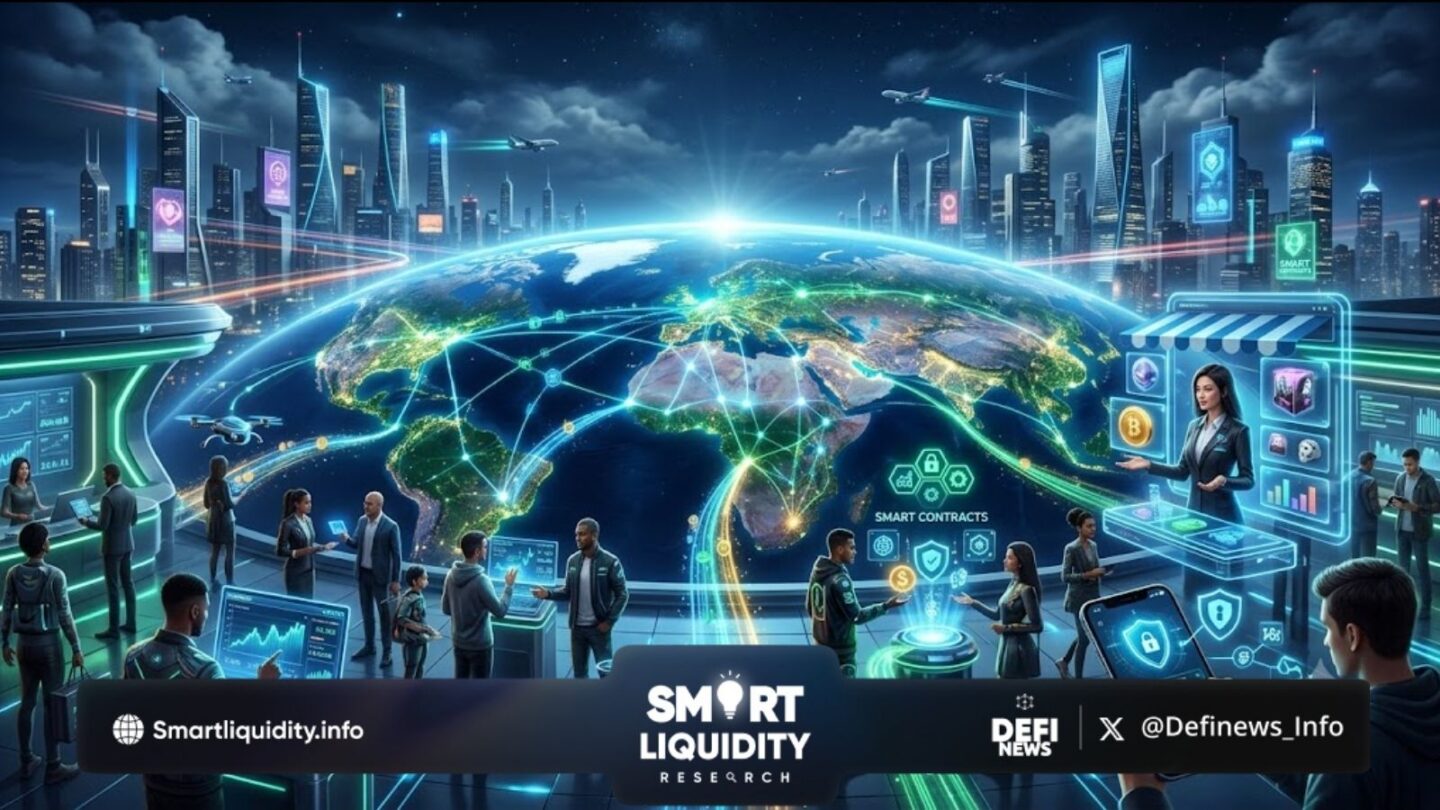
The internet transformed how people communicate, shop, and build businesses. Yet despite decades of innovation, online commerce still depends heavily on centralized intermediaries—from payment processors and banks to marketplaces and advertising platforms. These entities provide convenience, but they also introduce higher fees, slower settlements, geographical restrictions, and single points of failure.
Decentralized Finance (DeFi) offers a compelling alternative. Built on blockchain technology and powered by smart contracts, DeFi has evolved far beyond lending and yield farming. Today, it is laying the foundation for a more open, programmable, and borderless commercial ecosystem. As Web3 infrastructure matures, an important question emerges:
Can DeFi become the financial engine behind the next generation of internet commerce?
The answer is increasingly pointing toward yes.
Commerce Without Traditional Financial Gatekeepers
Every online purchase today relies on multiple intermediaries. Banks authorize payments, card networks process transactions, payment gateways collect fees, and merchants often wait days for funds to settle.
DeFi changes this model.
Instead of relying on trusted intermediaries, transactions are executed through smart contracts that automatically enforce payment conditions. Buyers and sellers interact directly while blockchain networks provide transparent settlement.
The benefits include:
- Near-instant settlement
- Lower transaction costs
- Borderless payments
- 24/7 financial infrastructure
- Reduced counterparty risk
For businesses operating globally, removing friction from payments can dramatically improve efficiency.
Stablecoins Are Becoming the Internet’s Native Currency
One of DeFi’s biggest enablers is the explosive growth of stablecoins.
Unlike volatile cryptocurrencies, stablecoins maintain relatively stable values while offering the speed and accessibility of blockchain transactions.
This makes them ideal for:
- Cross-border e-commerce
- Freelance payments
- Digital subscriptions
- Creator monetization
- International marketplaces
Rather than waiting several business days for international bank transfers, merchants can receive payment within minutes.
For consumers, sending money globally becomes as simple as sending an email.
Smart Contracts Enable Automated Commerce
Traditional online transactions require multiple manual processes:
- Payment verification
- Escrow services
- Refund handling
- Revenue sharing
- Affiliate payouts
Smart contracts automate these functions.
Imagine purchasing digital artwork.
Instead of trusting a marketplace, a smart contract could:
- Hold payment securely
- Verify delivery
- Automatically release funds
- Distribute royalties to creators
- Record permanent ownership
Everything happens transparently without requiring centralized oversight.
This level of automation reduces costs while increasing trust.
Programmable Payments Unlock New Business Models
DeFi allows money itself to become programmable.
Businesses can create payment systems that automatically respond to predefined conditions.
Examples include:
- Streaming payments billed by the second
- Subscription services that charge only while content is consumed
- Automated revenue sharing among contributors
- Dynamic pricing based on demand
- Pay-per-use APIs
- Tokenized loyalty rewards
These models are difficult—or expensive—to implement using traditional financial infrastructure.
With DeFi, they become native capabilities.
Decentralized Marketplaces Could Challenge Platform Monopolies
Today’s largest online marketplaces often charge significant commissions while controlling listings, visibility, and payment systems.
Decentralized marketplaces offer a different approach.
Instead of platform operators controlling every transaction, blockchain protocols facilitate peer-to-peer commerce.
Benefits include:
- Lower platform fees
- Transparent marketplace rules
- User ownership of reputation
- Portable digital identities
- Permissionless participation
- Reduced censorship risk
Creators, freelancers, and small businesses could retain more revenue while maintaining greater control over their customer relationships.
Tokenized Assets Expand What Can Be Bought and Sold
DeFi enables virtually any asset to become digitally represented on-chain.
Examples include:
- Real estate fractions
- Intellectual property
- Event tickets
- Carbon credits
- Music royalties
- Digital collectibles
- Tokenized securities
This dramatically increases liquidity while opening global markets to assets that were previously difficult to trade.
As tokenization grows, internet commerce may include entirely new categories of programmable assets.
Embedded Finance Becomes Invisible
One of the most exciting trends is embedded DeFi.
Users increasingly don’t need to understand blockchain technology.
They simply experience:
- Faster checkout
- Lower fees
- Instant settlement
- Better rewards
- Global accessibility
Wallet abstraction, account abstraction, and improved user interfaces are making blockchain infrastructure nearly invisible.
Just as most people don’t understand TCP/IP while browsing the web, future users may interact with DeFi without realizing it.
Challenges Still Remain
Despite enormous progress, DeFi is not yet ready to replace traditional commerce entirely.
Several obstacles remain:
User Experience
Wallet management, gas fees, and private keys still create friction for mainstream users.
Regulatory Uncertainty
Governments worldwide continue developing frameworks for digital assets, stablecoins, and decentralized financial services.
Scalability
Although Layer-2 networks have dramatically reduced costs, some blockchains still face congestion during periods of high demand.
Security
Smart contract vulnerabilities, phishing attacks, and protocol exploits remain ongoing risks.
Improved auditing, insurance, and user education will be essential for broader adoption.
The Convergence of AI, DeFi, and Commerce
Artificial intelligence is also accelerating DeFi’s commercial potential.
AI agents may soon:
- Negotiate prices autonomously
- Execute payments through smart contracts
- Manage subscriptions
- Optimize inventory
- Rebalance business treasuries
- Perform cross-chain transactions
Machine-to-machine commerce could become a major economic driver, with DeFi serving as the settlement layer for autonomous digital economies.
Looking Ahead
The future of internet commerce may not belong solely to centralized platforms or decentralized protocols—but to a hybrid model that combines the best of both.
Consumers will expect:
- Instant global payments
- Ownership of digital identities
- Transparent transactions
- Lower fees
- Greater financial inclusion
Businesses will demand:
- Programmable financial infrastructure
- Borderless customer reach
- Automated operations
- Real-time settlement
- Interoperable payment systems
DeFi is uniquely positioned to provide these capabilities.
Final Thoughts
The next generation of internet commerce won’t simply digitize existing financial systems—it will redefine how value moves across the web. DeFi introduces a programmable financial layer in which payments, lending, escrow, rewards, and ownership operate seamlessly without relying on traditional intermediaries. While challenges around regulation, security, and user experience remain, the momentum behind decentralized infrastructure continues to grow.
As stablecoins gain mainstream adoption, tokenization expands, and smart wallets become easier to use, DeFi is poised to become an invisible yet powerful engine powering online marketplaces, creator economies, AI-driven transactions, and global digital businesses. The future of commerce may not just happen on the internet—it may be secured, settled, and powered by decentralized finance.