


Tag "#FutureOfFinance Archives - Smart Liquidity Research"

For centuries, lending has depended on one fundamental question: Can I trust the borrower to repay me? Traditional financial institutions answer that question through credit scores,...
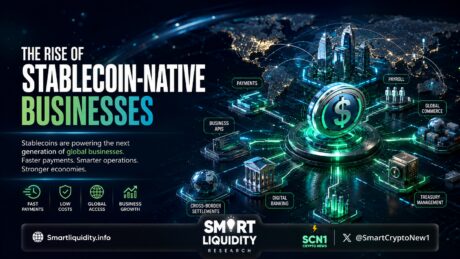
For years, stablecoins were treated mainly as a safe harbor inside the volatile crypto market—a way to move between trades without converting back to traditional currency. That perception...
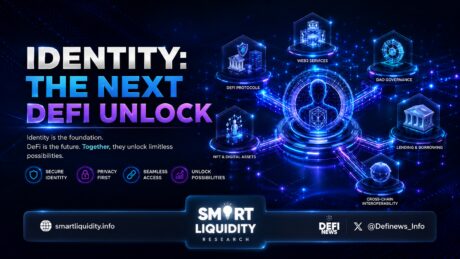
Decentralized finance has transformed how people trade, lend, borrow, and earn without relying on traditional financial intermediaries. Yet one major limitation remains: most DeFi...

Introduction For centuries, money has served a simple purpose: it stores value, facilitates trade, and acts as a unit of account. Whether in the form of coins, paper bills, or digital bank...

For years, decentralized finance (DeFi) has been marketed as an alternative financial system powered by blockchain technology. Early adopters embraced concepts like self-custody, liquidity...

Introduction For much of its history, cryptocurrency has been associated with one thing: speculation. Headlines focused on soaring prices, dramatic crashes, meme coins, and traders chasing...

Agriculture has always been the backbone of civilization, feeding billions while supporting the livelihoods of nearly 30% of the global workforce. Yet despite its importance,...

Introduction For years, decentralized finance (DeFi) has been associated with crypto-native users navigating wallets, seed phrases, gas fees, and decentralized exchanges. While this...

Introduction For decades, moving money has been one of the slowest parts of the global financial system. While the internet allows emails, videos, and messages to travel across the world in...

Introduction Credit is one of the most important pillars of the global economy. It enables individuals to buy homes, businesses to expand operations, and entrepreneurs to turn ideas into...

Introduction The internet transformed how the world communicates, shares information, and conducts business. Yet, despite these advances, financial infrastructure remains fragmented,...

The internet transformed how people communicate, shop, and build businesses. Yet despite decades of innovation, online commerce still depends heavily on centralized intermediaries—from...

Public blockchains have transformed how value moves across the internet. They offer instant settlement, global accessibility, 24/7 availability, and transparent record-keeping without...

The Era of Chatting With AI Is Over In 2024, the world was fascinated by conversational AI. Millions of people spent hours asking chatbots to write emails, summarize reports, generate code,...

Blockchain technology has evolved rapidly over the past decade, giving rise to hundreds of networks optimized for different use cases. Some prioritize speed, others focus on security,...

For centuries, finance has been constrained by national borders, banking hours, currency conversions, and intermediaries. Sending money across countries often meant paying high fees, waiting...

For years, crypto wallets have served as the gateway to decentralized finance (DeFi). They allow users to store digital assets, sign transactions, and interact with blockchain applications....

When most people hear the term Decentralized Finance (DeFi), they immediately think of cryptocurrencies, token trading, or speculative investments. While these applications helped popularize...